Local Septic Pumping Company FAQs in Lincoln, NE
These FAQs cover septic pumping services in Lincoln, NE, including cost, maintenance schedules, warning signs, and how to choose a qualified provider.
How Much Does Septic Pumping Cost in Lincoln, NE?
Septic pumping in Lincoln, NE may typically cost between $300 and $500, depending on tank size, access conditions, and service frequency.
How Often Should a Septic Tank Be Pumped?
Most residential septic tanks should be pumped every 3 to 5 years. Household size, water usage, and tank capacity can all affect the recommended interval.
What Are the Warning Signs That My Septic Tank Needs Pumping?
Slow-draining sinks, gurgling pipes, sewage odors, and standing water near the drain field may all indicate a full or failing septic tank.
What Happens During a Professional Septic Pumping Service?
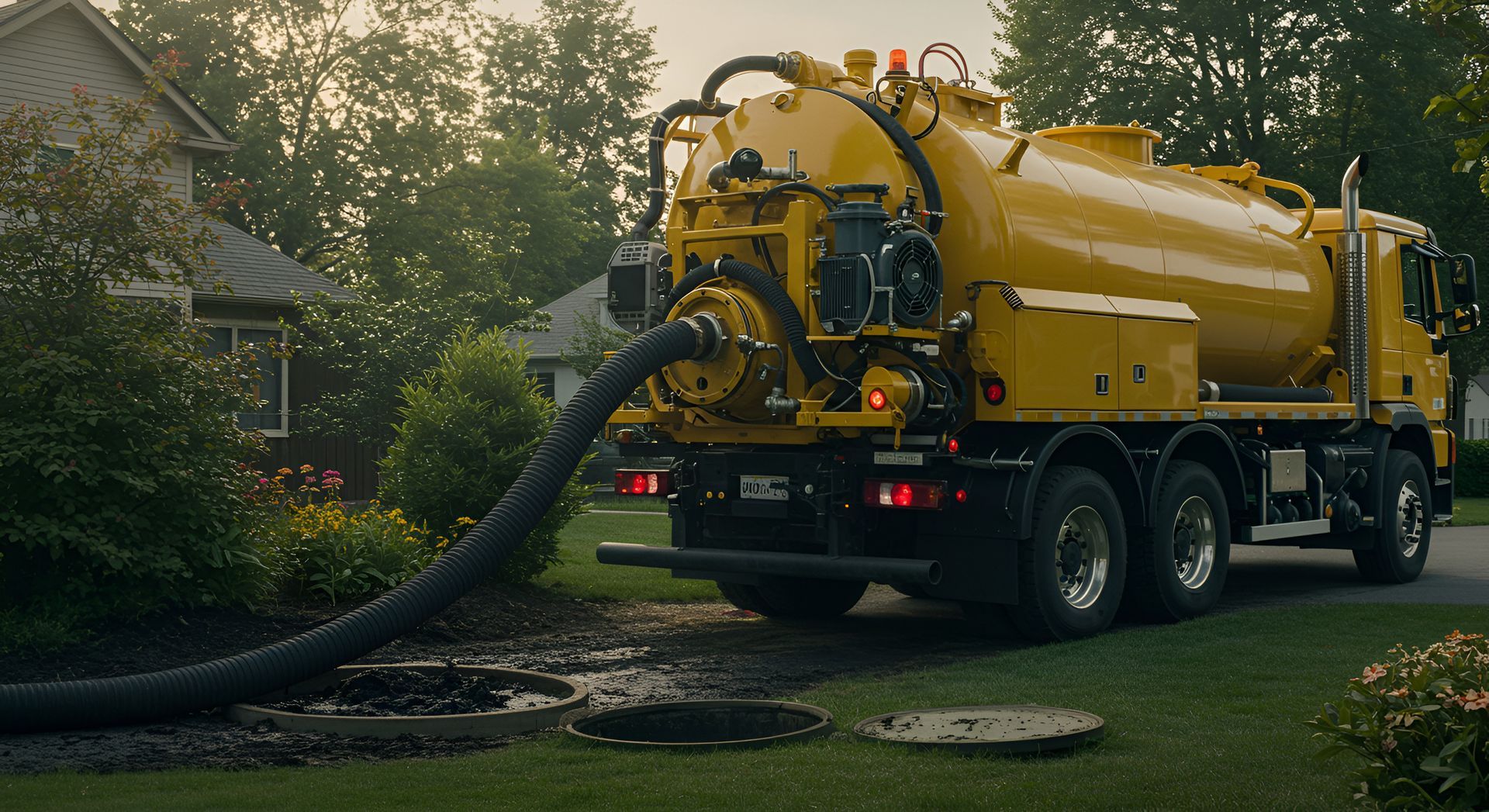
A licensed technician locates and opens the tank access lid, vacuums out accumulated sludge and scum, and may conduct a basic visual inspection of the system.
What Is the Difference Between Residential and Commercial Septic Pumping?
Commercial systems typically handle much higher waste volumes and may require pumping every 1 to 3 years, while most residential tanks need service every 3 to 5 years.
What Should Homeowners Never Flush Into a Septic System?
Homeowners should avoid flushing wipes, diapers, feminine hygiene products, cigarettes, paper towels, or excessive cleaning chemicals, as these materials can disrupt the tank's natural bacterial balance and accelerate sludge buildup.
When Is Emergency Septic Pumping Necessary in Lincoln, NE?
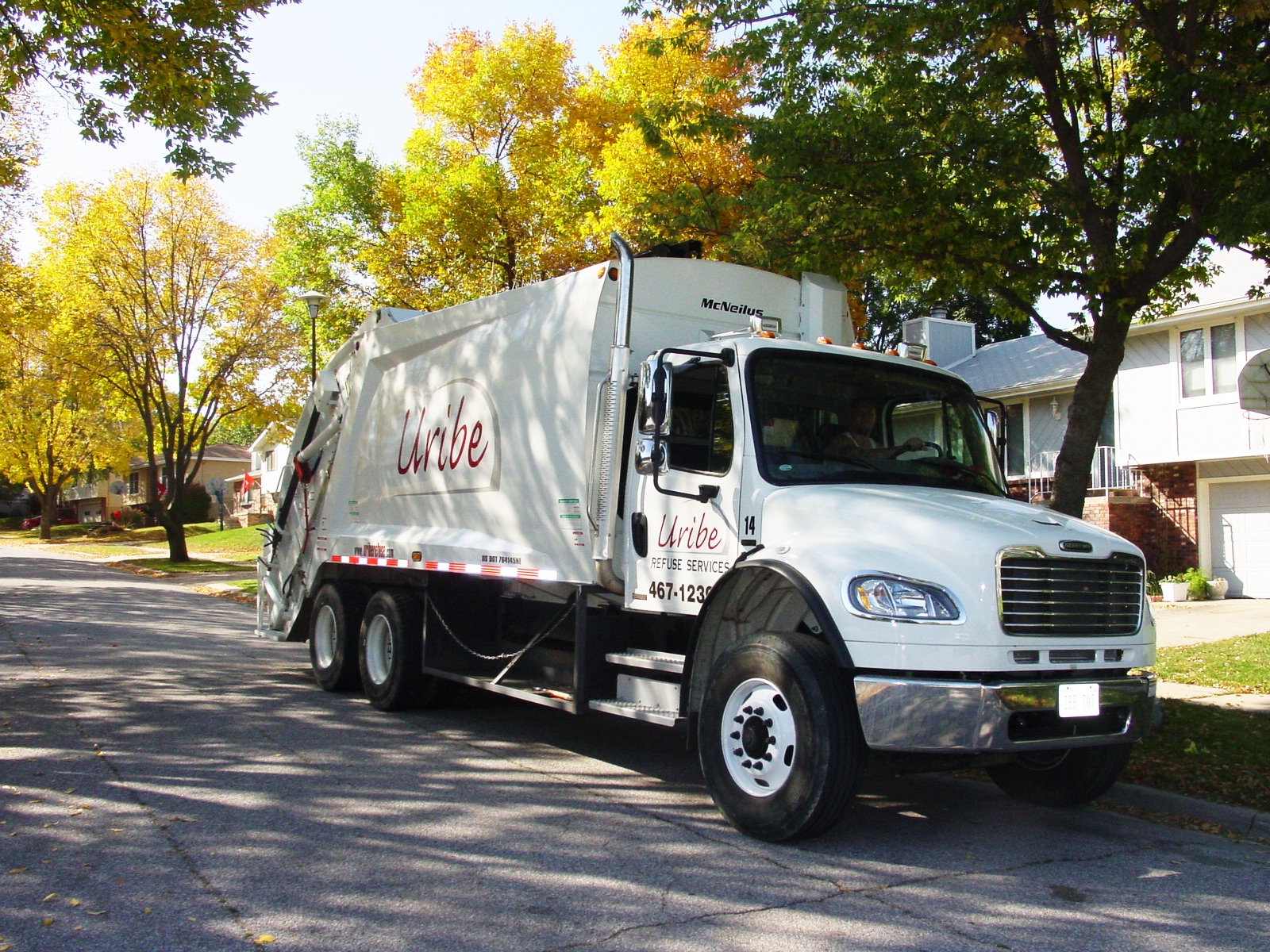
Emergency septic pumping may be needed when sewage backs up into the home, wastewater pools in the yard, or drains stop functioning entirely. Uribe Refuse Services provides emergency septic pumping in Lincoln, NE for situations that cannot wait for a scheduled appointment.
How Do I Choose a Reliable Septic Pumping Company in Lincoln, NE?
Homeowners should look for state-certified master pumpers, local licensing, and a track record of on-time, transparent service. Uribe Refuse Services employs state-certified master pumpers and is certified by the Lincoln Lancaster County Health Department.
Does Septic Tank Size Affect Pumping Frequency or Cost?
Smaller tanks fill faster and may require more frequent pumping, while larger tanks can often go longer between service intervals. Cost may also increase with tank size due to longer pump-out times and higher disposal fees.
Schedule Septic Pumping in Lincoln, NE With Uribe Refuse Services Today
Uribe Refuse Services and its A1st Rate Pumping and Potty team are ready to answer your questions and get your system serviced.
Contact us to request a quote today.
WHY IS IT IMPORTANT TO TAKE CARE OF YOUR SEPTIC TANK?
Unfortunately, in far too many cases, septic systems are installed and largely forgotten—until problems arise.
Malfunctioning septic systems release bacteria, viruses, and chemicals toxic to local waterways. When these pollutants are released into the ground, they eventually enter streams, rivers, lakes, and more, harming local ecosystems. Household wastewater is loaded with disease-causing bacteria and viruses, as well as high levels of nitrogen and phosphorus.
Regular maintenance fees of $200 to $300 every three to four years are a bargain compared to the cost of repairing or replacing a malfunctioning system, which can cost between $3,000 and $7,000 for a conventional system.
HOW OFTEN SHOULD A SEPTIC TANK BE PUMPED?
Factors that influence the frequency of septic pumping are household size, wastewater generated, and septic tank size. Typically, household septic tanks are pumped every 3-4 years.
Join our free reminder program! When we come out to pump your septic tank, we'll help determine what the best frequency is for your septic and set you up with our reminder program, where you'll receive a postcard reminder when it's time!
FOLLOW THESE DOS AND DON'TS!
• Do not flush cigarettes, diapers, feminine hygiene products, paper toweling, facial tissue, or “wipes.” They may not break down readily and will contribute to the scum or sludge layers. Dispose of these items with other solid waste.
• Do not overuse the garbage disposal. It grinds up food products that settle out in the tank, adding considerably to the sludge buildup and the amount of organic matter that needs treatment.
• Do not put grease or oils down the drain. Grease and oils from cooking, frying, and skin lotions increase the scum layer in the septic tank.
• Do use liquid detergents instead of powdered detergents. Powdered detergents have “fillers” in them that add to the sludge layer.
• Do use toilet tissue that breaks down rapidly. Test by placing a tissue sample in a jar of water, covering the jar opening, and shaking vigorously. The toilet paper should fall apart rapidly when the jar is shaken.
• Do not dump unwanted pesticides such as herbicides, fungicides, or insecticides down the drain.
• Do not dump paints, thinners, or solvents down the drain.
• Do not dump excess medications down the drain.
• Do not overuse cleaning products, including bleach and drain cleaners, and do not dump excess cleaning products down the drain. A septic system can handle typical amounts used for routine cleaning, as well as normal-use amounts of antibacterial soaps.
•
Do not use automatic toilet cleaning dispensers that release bleach with every flush. This can reduce populations of bacteria in the septic tank that break down waste.
Navigation Links
Contact Information





Business Hours
Mon - Fri: 7:30 AM to 4:00 PM
Sat - Sun: Closed